Following Jesus · Part 11 of 40 · 3 min
The Disciples Go Out to Help
The twelve disciples had spent time listening to Jesus and watching him help people. Now he was sending them out to serve.


They would not go to show how important they were. They would share the good news that God's kingdom was near and care for people in need. Announcing God’s kingdom meant telling people that God was coming close through Jesus and inviting them to trust him.
The disciples prepared for the journey.
Jesus gave them power to help the sick. He told them to give freely, just as they had freely received.
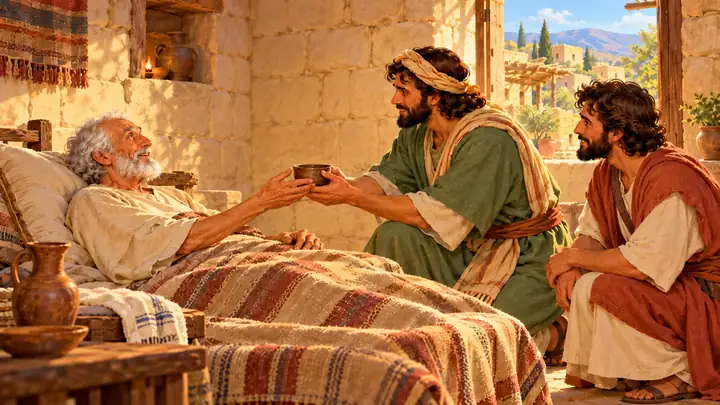
They did not need to carry great piles of money or supplies. They were to trust God and accept hospitality along the way. Hospitality meant families would welcome them and share shelter and food. Those instructions were for that mission, not a rule to travel unprepared.
When they entered a home, they were to offer peace. If people refused their message, they should move on rather than fight.

Jesus knew the work would sometimes be difficult. He told them not to be afraid and assured them that their Father cared for them.
The disciples walked toward the villages.
They were learning that faith belongs on the road as well as in a quiet place.
We can share kindness where we are. We might help someone carry a bag, listen to a lonely friend, or tell the truth gently.

Helping does not make us greater than the person we help. We are sharing a gift we have received.
Retelling of Matthew 10:1–31.
Supporting reading: The Desire of Ages, chapter 37. Open the book
Talk about it together
“Serve one another” means helping each other. We give freely because we have already received God’s love.
- Service
- Trust in God
- What should the disciples do if people refused their message?
- How do you think they felt when first sent out to help?
- What simple help could you offer today without expecting a reward?
Activity · 2–5 minutes
Help freely given
Look around together and choose a small helpful task, such as carrying a light object or arranging a seat. Offer kindly. Afterward, discuss why helping does not make us more important than the person receiving help.
Try it today: We can offer help respectfully without demanding a reward in return.
More stories with these values
Activities for this story
Play online or print materials for home, classroom, and family.