From Eden to Enoch · Part 7 of 8 · 4 min
Consequences and Mercy
Cain had heard the consequences of killing Abel. The ground would no longer yield its strength to him as before, and he would live as a wanderer. He could not go back and erase the harm he had caused.
Then he expressed his fear. He told God that his punishment was more than he could bear. He thought about going away, having no safe place, and the possibility that someone might want to kill him.
We can understand his worry in these simple words: “I am afraid.” But fearing consequences is not the same as recognizing the suffering of the person who was hurt. Cain still needed to turn his heart toward God.
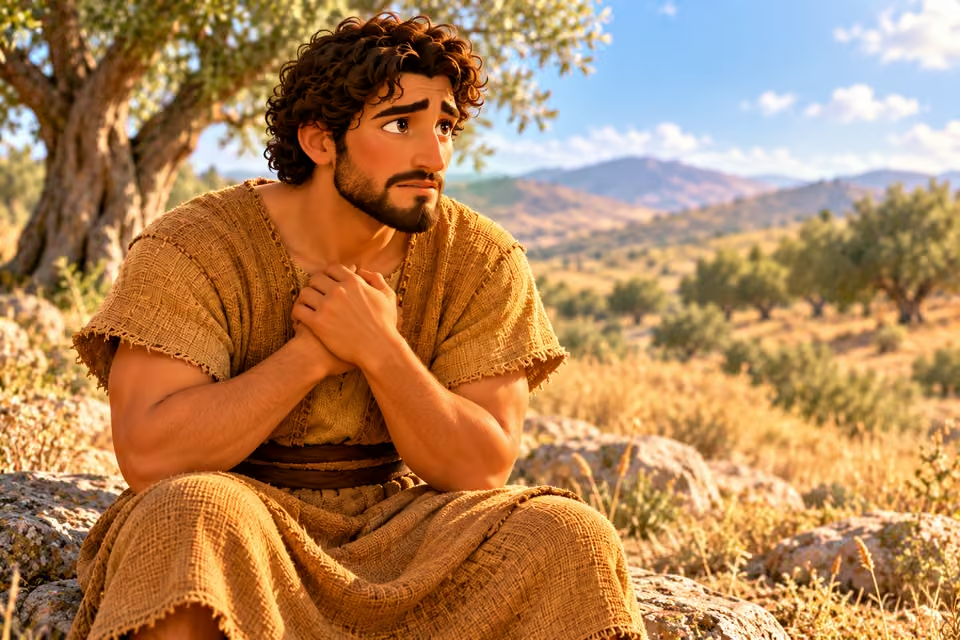
The Lord listened. He did not promise that the consequences would disappear or call Cain’s choice good. What happened to Abel was still serious. His brother would not walk beside him again.
Yet God did not allow the story to continue with another death in revenge. He warned that anyone who killed Cain would also face consequences. Lives should not keep being lost because someone wanted to return the harm.
God put a mark on Cain so that whoever found him would not kill him. The Bible does not tell us what that mark looked like. We do not need to invent its shape to understand what matters: God was protecting him from revenge.
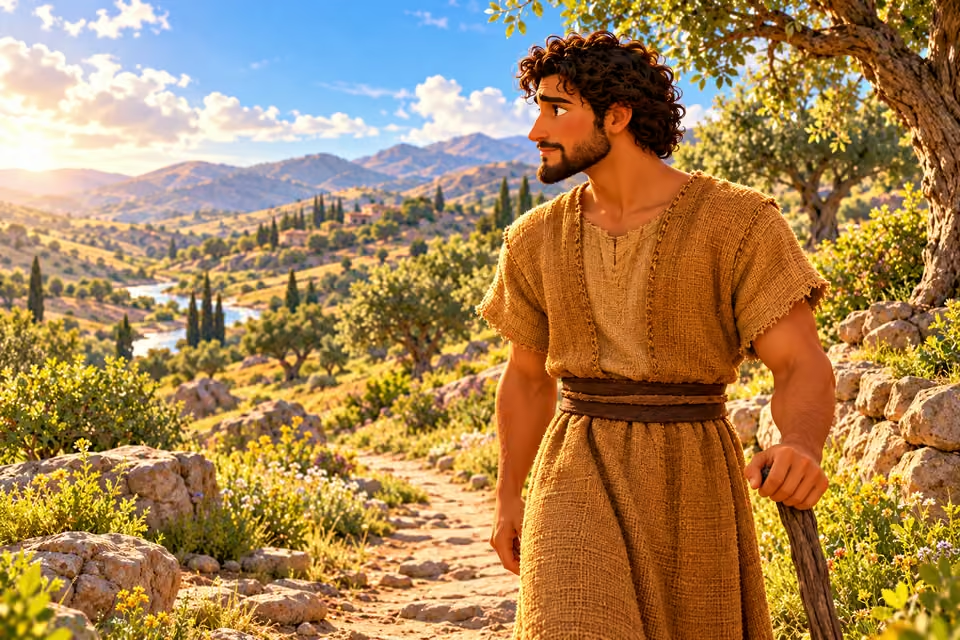
Cain went away from the presence of the Lord and lived in the land of Nod, east of Eden. The path he had chosen led him far from his family’s home and the life he had known.
God had given him time to repent. Even so, Cain continued to resist him. He had received mercy, but he still needed to listen and change his path.

We can learn to do something different when we do wrong: tell the truth, listen to the person we have hurt, and accept help to change. Asking forgiveness also means being willing to stop causing harm.
When someone hurts us, we can seek protection and tell what happened. Forgiving does not mean staying where there is danger. The adults who care for us can help us set boundaries and stay safe.
The story of the two brothers leaves us a choice each day. We can feed anger or ask for help to stop it. We can turn away from others or learn to care for them. God calls us to listen to his voice and choose life.
Adapted from Genesis 4:13–16
Additional reading: Patriarchs and Prophets, Ellen G. White, chapter 5: Cain and Abel Tested.
Talk about it together
- Repentance
- Compassion
- Responsibility
A verse to remember
“But whoever confesses and forsakes them will have mercy.”
Proverbs 28:13 · excerptNKJV
- Did God remove the consequences of what Cain had done?
- What was God protecting Cain from?
- Besides asking forgiveness, what do we need to be willing to change?
Activity · 2–5 minutes
An apology with a change
Imagine someone deliberately knocks down a block building. Practice saying what happened, listening to how the other person feels, and offering to help rebuild it. Agree on a way to avoid doing it again. Asking forgiveness includes choosing to stop causing harm.
Try it today: I can admit my mistake, accept help, and change what causes harm.
More stories with these values
Activities for this story
Play online or print materials for home, classroom, and family.